
Knee replacement surgery marks a pivotal step toward a more active, pain-free life for many. Each year, countless individuals undergo this transformational procedure, including those suffering from conditions like osteoarthritis, severe knee injuries, or chronic knee pain.
Whether you’re a patient or a caregiver to someone undergoing knee replacement surgery, use this guide as your roadmap through the rehabilitation process.
Understanding Knee Replacement Surgery
Knee replacement, or arthroplasty, involves replacing damaged knee joint parts with durable metal and plastic components. These prosthetics mimic the natural movement of your joint, relieving knee pain and improving functionality. Often considered a solution for severe arthritis, significant injuries, or chronic knee pain, these prostheses typically last for many years.
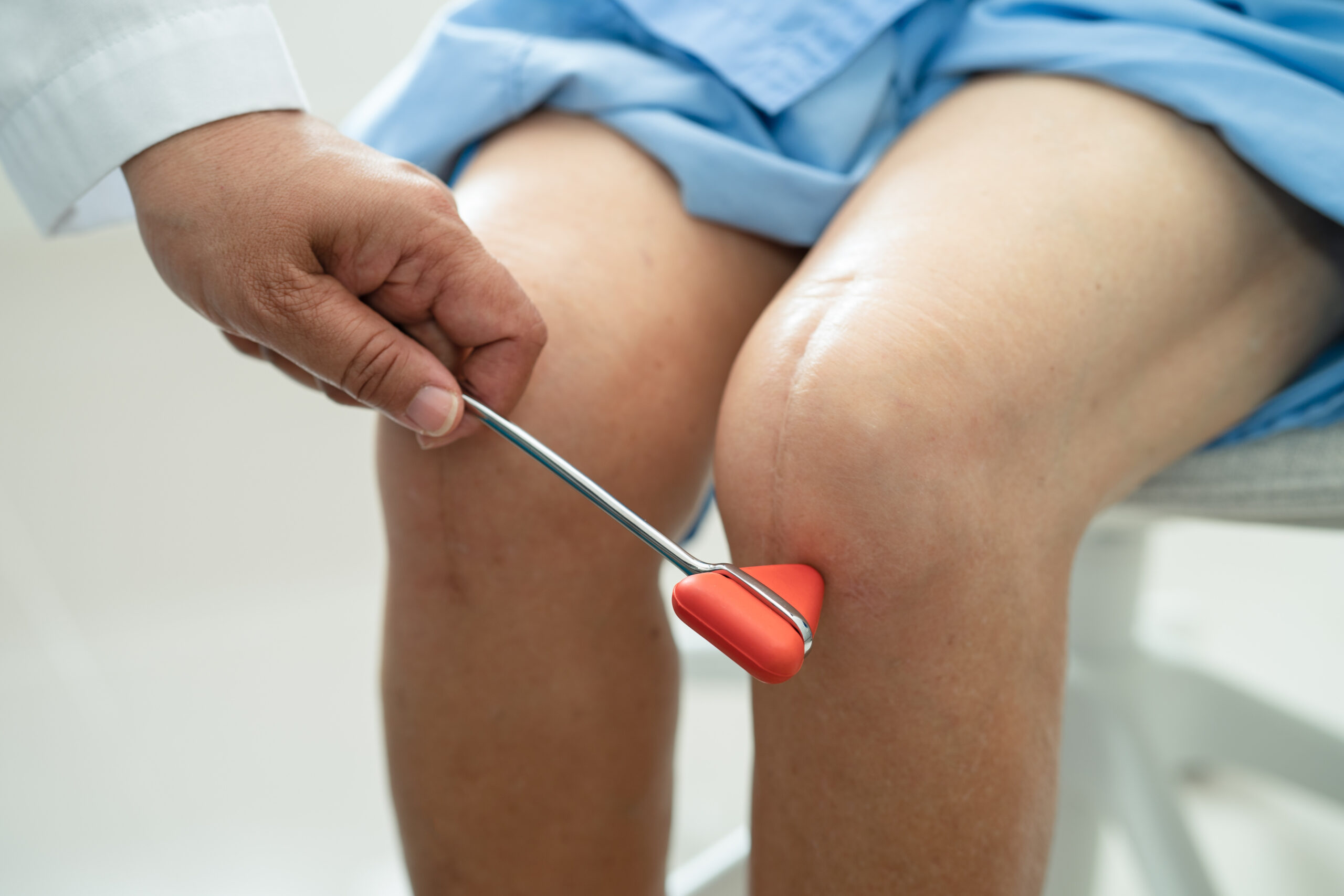
The Rehabilitation Journey
Immediate Post-Surgery: Taking care of your pain and looking after your surgery wound is very important. It's also crucial to start moving early on - even with simple exercises like moving your ankles up and down or gently lifting your leg. These movements help keep your blood flowing and lower the risk of blood clots. This early care and attention builds the foundation for a good recovery process.
Early Phase (Weeks 1-3): In the first three weeks after your surgery, the main goals are to start moving your knee again and to take care of any pain from the surgery. You'll do easy exercises with someone guiding you, which helps your knee start to move more easily again. It's also important to set goals that you can really achieve during this time, which helps keep you motivated.
Intermediate Phase (Weeks 4-6): As your knee heals, you'll start doing more challenging exercises designed to make the muscles around your knee stronger. Physical therapists play a significant role during this time, helping you with exercises that also help reduce swelling and make your knee work better.
Advanced Phase (Weeks 7-12): During this phase, you'll focus on regaining full function of your knee. The exercises in this phase are more challenging and aim to improve how flexible and strong your knee is. You'll start doing regular day-to-day activities as part of your recovery, helping you mentally prepare to return to your pre-surgery life.
Personalized Rehabilitation Approaches
Rehabilitation after knee replacement surgery isn't a one-size-fits-all process. Different types of patients require customized strategies to address their specific needs.
Osteoarthritis Patients:
- Gentle Exercises: Emphasize joint protection and inflammation management through activities like water therapy, which strengthens muscles while reducing joint stress.
- Lifestyle Adjustments: Learn about joint care and dietary changes to help minimize inflammation, contributing to long-term joint health.
Osteoarthritis Patients:
- Pain Management Techniques: Embrace the use of heat and mechanical cold therapy, explore acupuncture or electrical nerve stimulation, and manage medication effectively.
- Psychological Support: Implement coping strategies for chronic pain, including mindfulness exercises and counseling, to enhance quality of life post-surgery.
Post-Trauma Patients:
- Specialized Exercises: Focus on stretching and strength-building to help break down scar tissue and restore full range of motion.
- Therapeutic Techniques: Integrate massage therapy and ultrasound to aid tissue healing and improve flexibility.
Long-Term Care and Maintenance
Knee replacement recovery extends beyond the initial months. It's essential to commit to a healthy lifestyle and regular medical check-ups, ensuring your knee prosthesis functions at its best for the long term.
Stay Active and Protect Your Knee: Incorporate low-impact activities such as walking, swimming, or cycling into your daily routine. Joint-friendly exercises like yoga or tai chi will help with balance and flexibility without putting too much strain on your knee.
Cold Therapy: Utilize an at-home cold therapy device as part of your long-term care. These units help manage pain and inflammation, not just after surgery but also for any knee discomfort or swelling that may occur later. They can be especially beneficial for easing discomfort after physical activity.
Weight Management: A balanced diet helps maintain ideal body weight, reducing stress on the knee joint. Focus on an anti-inflammatory diet rich in vegetables, fruits, and lean proteins. Keep track of your weight and, if needed, seek nutritional counseling to devise a diet plan that supports your joint health.
Regular Medical Check-ups: Routine visits to a healthcare provider or orthopedic surgeon can ensure your knee prosthesis is functioning well and help catch any signs of complications. Be vigilant for signs of infection, inflammation, or any changes in knee function, and report these to your doctor immediately.
Psychological Well-Being: Emotional and mental health is a crucial part of recovery. Engage in stress-reducing activities, join support groups, and consider counseling to navigate the lifestyle changes post-surgery. Connect with others who have undergone similar surgeries. Share experiences and learn from each other in support groups or through patient education programs.
Conclusion: Embracing a New Chapter
Rehabilitation after knee replacement is a unique journey requiring patience, persistence, and active participation. Remember, each recovery path is individualized. Work closely with your healthcare team to tailor a care plan that aligns with your specific needs and lifestyle goals.
With the right approach, guidance, and determination, you are not just recovering; you're stepping into a pain-free chapter of life. Embrace your knee replacement rehabilitation journey with confidence, knowing that each day brings you closer to regaining your quality of life.


