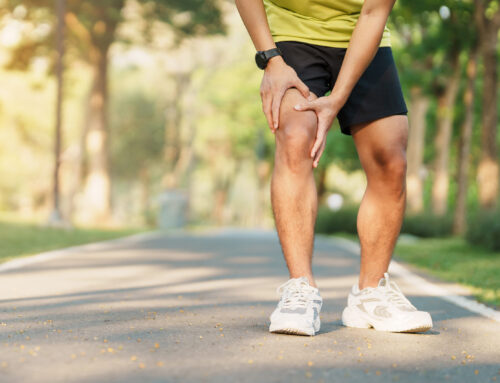
Your knees are the reason you can dance, hike, and enjoy life to the fullest. But have you ever wondered how your daily choices impact your knee health? It turns out that everything, from the food you eat to the activities you enjoy, plays a role in the well-being of your knees.
Let’s explore five lifestyle factors that can make all the difference in your knee health, along with practical tips you can start applying today. Your knees will thank you!
1) Diet and Weight Management
Maintaining a balanced diet is crucial for knee health. It helps you manage your weight and reduce unnecessary joint stress, alleviating knee pain and discomfort.
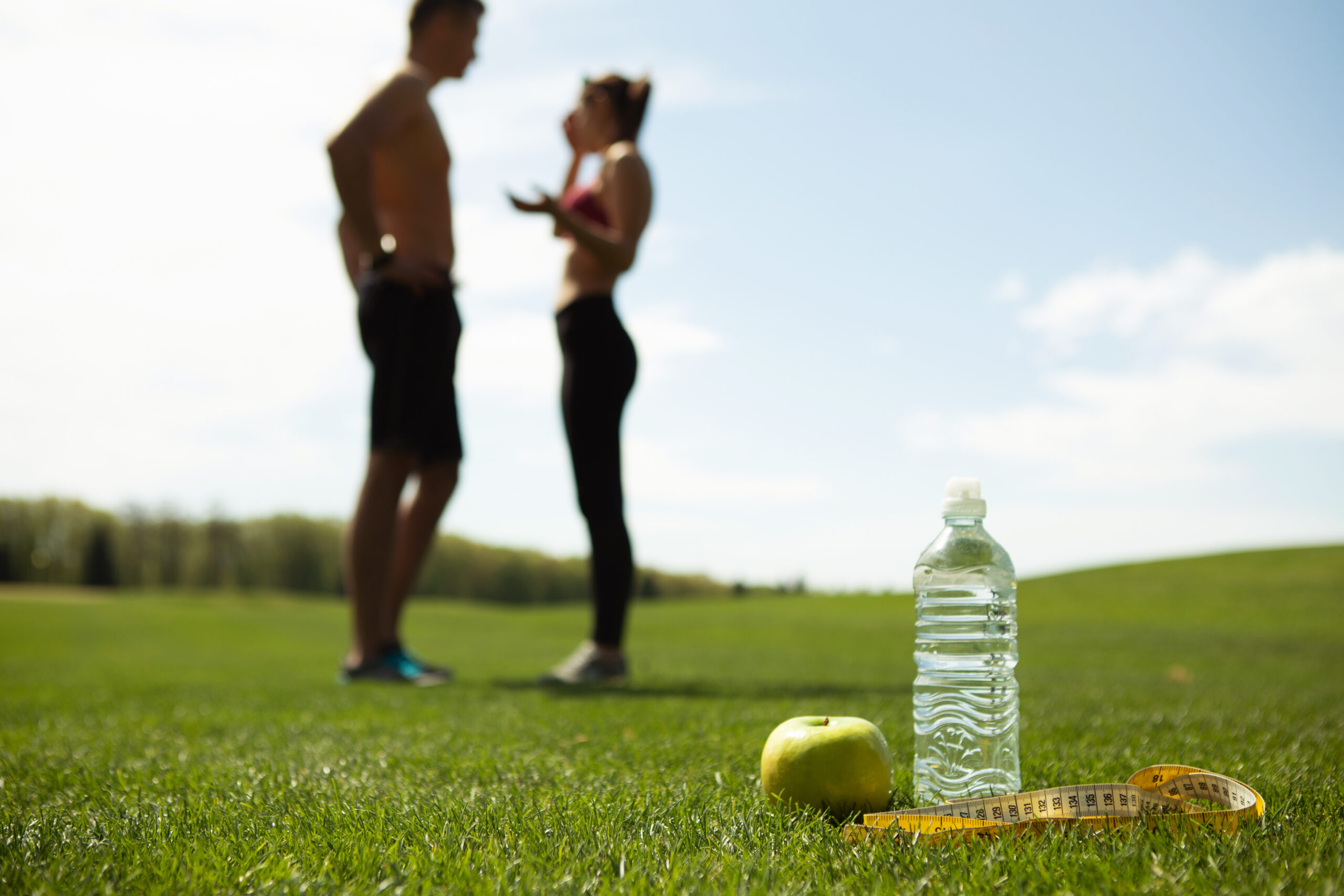
- Try anti-inflammatory foods. Regularly include inflammation-fighting foods in your diet, such as berries, fatty fish, and leafy greens. These foods aid in reducing joint inflammation and promoting knee health.
- Be mindful of portions. Practice portion control in your meals to manage weight effectively, reducing unnecessary knee joint stress.
- Focus on nutrient-rich choices. Consume more nutrient-dense foods that are low in calories and high in nutrients. Vegetables, fruits, and lean proteins do wonders to support your overall health and knee well-being.
2) Exercise and Physical Activity
Regular exercise is essential for enhancing muscle support and lowering your risk of knee injuries. Opt for knee-friendly activities that support rather than overburden your joints.
- Engage in gentle workouts. Focus on low-impact activities like swimming, stationary cycling, and walking. These activities limit pressure on your knee joints.
- Build muscle support. Include strength-training exercises like leg presses or squats in your workout routine. These movements build up the muscles that support your knees.
- Make stretching a habit. Remember to stretch before and after your workouts. Enhanced flexibility plays a critical role in injury prevention around the knee area.
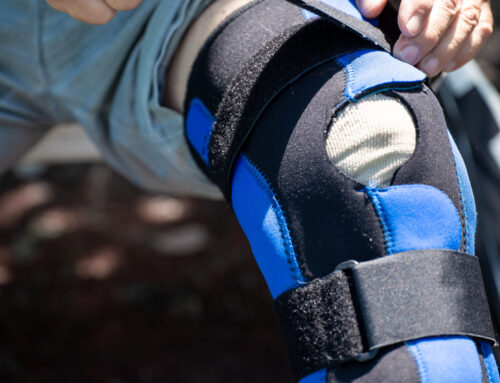
Post-exercise, consider using a Cold Therapy Device to soothe and reduce knee inflammation.
3) Posture, Ergonomics, and Footwear Choices
Proper posture, ergonomic practices, and the right footwear are key factors for knee health, ensuring even weight distribution and minimizing strain to prevent pain and injuries.
- Adopt knee-friendly sitting postures. Choose chairs that provide good lumbar support and encourage an upright posture. Avoid sitting with crossed legs, which can misalign your knees and increase strain.
- Utilize ergonomic footrests. Using a footrest when you’re seated can help you maintain proper leg alignment. A footrest will ensure your feet are positioned correctly, reducing undue stress on your knee joints.
- Choose footwear wisely. Opt for shoes with good arch support and cushioning for shock absorption. Avoid wearing high heels to keep your knees in proper alignment and reduce knee strain.
4) Managing Stress and Sleep
Effectively managing stress and ensuring adequate sleep are critical for knee health. Stress and sleep influence overall body health and your body's repair processes.
- Incorporate relaxation techniques. Engage in calming practices such as yoga or meditation. These activities reduce stress and improve flexibility and joint health.
- Stay active for stress relief. Regular physical activities can significantly lower stress levels while simultaneously strengthening the muscles supporting your knees.
- Maintain a regular sleep routine. Aim for 7-9 hours of sleep each night. Consistent sleep rejuvenates the body and aids in the healing and strengthening of knee tissues.
To complement your stress management routine, our Hyaluronic Acid Solutions can help maintain knee joint health, reducing one source of stress-related discomfort.
5) The Role of Hydration
Proper hydration is vital for your knee health because it helps keep your joint tissues elastic and well-lubricated, ensuring your knees function smoothly.
- Consistent water intake. Make it a habit to drink plenty of water throughout the day. Water consumption is essential to keep your joint tissues hydrated and functional.
- Moderate caffeine and alcohol. Limit caffeine and alcohol, as both can contribute to dehydration. Managing your consumption helps maintain optimal hydration levels, which are crucial for joint health.
- Pre-exercise hydration. Ensure you're well-hydrated before engaging in any physical activity. Proper hydration before exercise can help prevent joint stiffness and maintain mobility.
Conclusion: A Healthy Lifestyle for Healthy Knees
Your knee health depends on your daily lifestyle choices. By adopting a holistic approach that includes a balanced diet, regular exercise, proper posture, and effective stress management, you're taking a significant step in enhancing your knee health for a more active and pain-free life.
It’s not just about reacting to the causes of knee pain and discomfort; it's about proactively making lifestyle changes. As you work on improving your knee health, remember that Cold Therapy Devices and Hyaluronic Acid Solutions can play a supportive role in your journey towards healthier knees.